The most important thing to pack for Swakopmund is a warm layer. The coast is cool, foggy and windy for much of the day, with temperatures of around 10–16°C in the mornings and evenings even in summer, so travellers who pack only for “hot Africa” end up buying jackets on arrival. Combine layers with strong sun protection and closed shoes for the dunes and you’re most of the way there.
This list covers clothing by season, gear for the desert and the sea, documents and money, electronics, health items and what you can leave at home. If Swakopmund is part of a longer Namibia trip, pack for hot inland days too.
The quick checklist#
| Category | Essentials |
|---|---|
| Clothing | Fleece or light down jacket, windproof shell, 2 long trousers, 1–2 shorts, T-shirts, long-sleeve top, warm socks |
| Footwear | Closed trainers or walking shoes, sandals or flip-flops |
| Sun | SPF 50 sunscreen, sunglasses, wide-brimmed hat or cap, SPF lip balm |
| Sand and wind | Buff or scarf, zip-lock bags, lens cloth |
| Day gear | Small daypack, refillable water bottle (1 litre+), snacks |
| Documents | Passport, visa if required, insurance details, driving licence + IDP if needed, copies |
| Money | Visa/Mastercard, some N$ or South African rand cash |
| Electronics | Type M plug adapter (check it is not just a “universal” one), power bank, phone, charger |
| Health | Personal medicines, small first-aid kit, rehydration sachets |
Clothing: why layers matter#
Swakopmund’s weather follows a daily pattern: cold, grey mornings, often fog until mid- or late morning; bright and mild afternoons; and chilly evenings when the fog and sea breeze return. Long-term averages show daytime highs of roughly 18–23°C and night-time lows of about 10–16°C, whatever the month. See our Swakopmund weather guide for the details.
Year-round#
- A warm mid-layer: a fleece, thick jumper or packable down jacket.
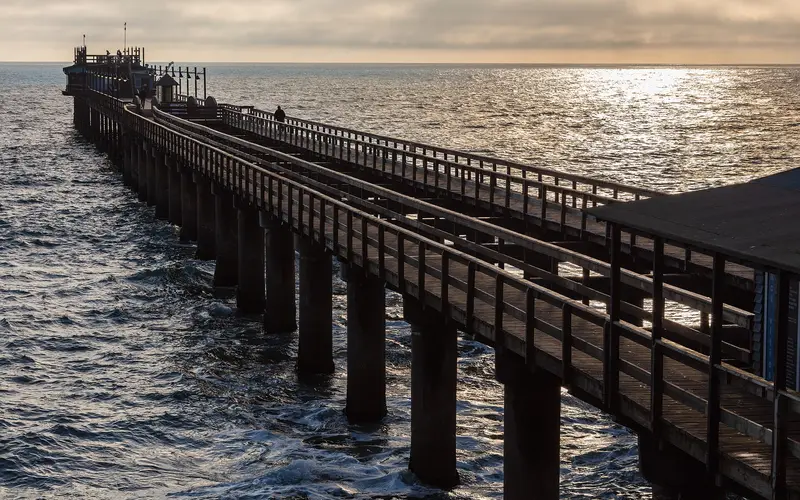
- A windproof (and ideally showerproof) jacket: fog is damp and the wind can be strong, especially on boat trips and the jetty.
- Long trousers: jeans are fine in town; lighter trousers are better for tours.
- T-shirts and a long-sleeved shirt: the long sleeves protect from the sun in the dunes.
- Shorts: for warm afternoons and east-wind days, which can be hot.
- Warm socks and something cosy to sleep in: many guesthouses and hostels have little or no heating.
Summer (December to March)#
Days are milder, around 22–23°C, but mornings are often foggy. Add a sun hat, more T-shirts and sandals. If you’re heading inland to Sossusvlei or Etosha, you’ll need light, breathable clothes for 35°C+ days, and a light rain jacket: November to April is the inland rainy season, and in wet years such as 2025/26 the storms were heavy. Our best time to visit Namibia guide explains the inland seasons.
Winter (June to August)#
Pack an extra warm layer, a beanie and perhaps light gloves for early-morning tours and boat trips. Nights drop to about 10°C on the coast, and inland deserts can be near freezing at night. Days are often sunny and pleasant.
Footwear#
- Closed trainers or light walking shoes: essential for the dunes, the Living Desert tour, Spitzkoppe and town walks.
- Sandals or flip-flops: for the beach, showers in hostels and relaxing.
- Hiking boots: only if you’re planning serious hikes inland, such as at Spitzkoppe or in the Naukluft. They’re overkill for Swakopmund itself.
Gear for the desert#
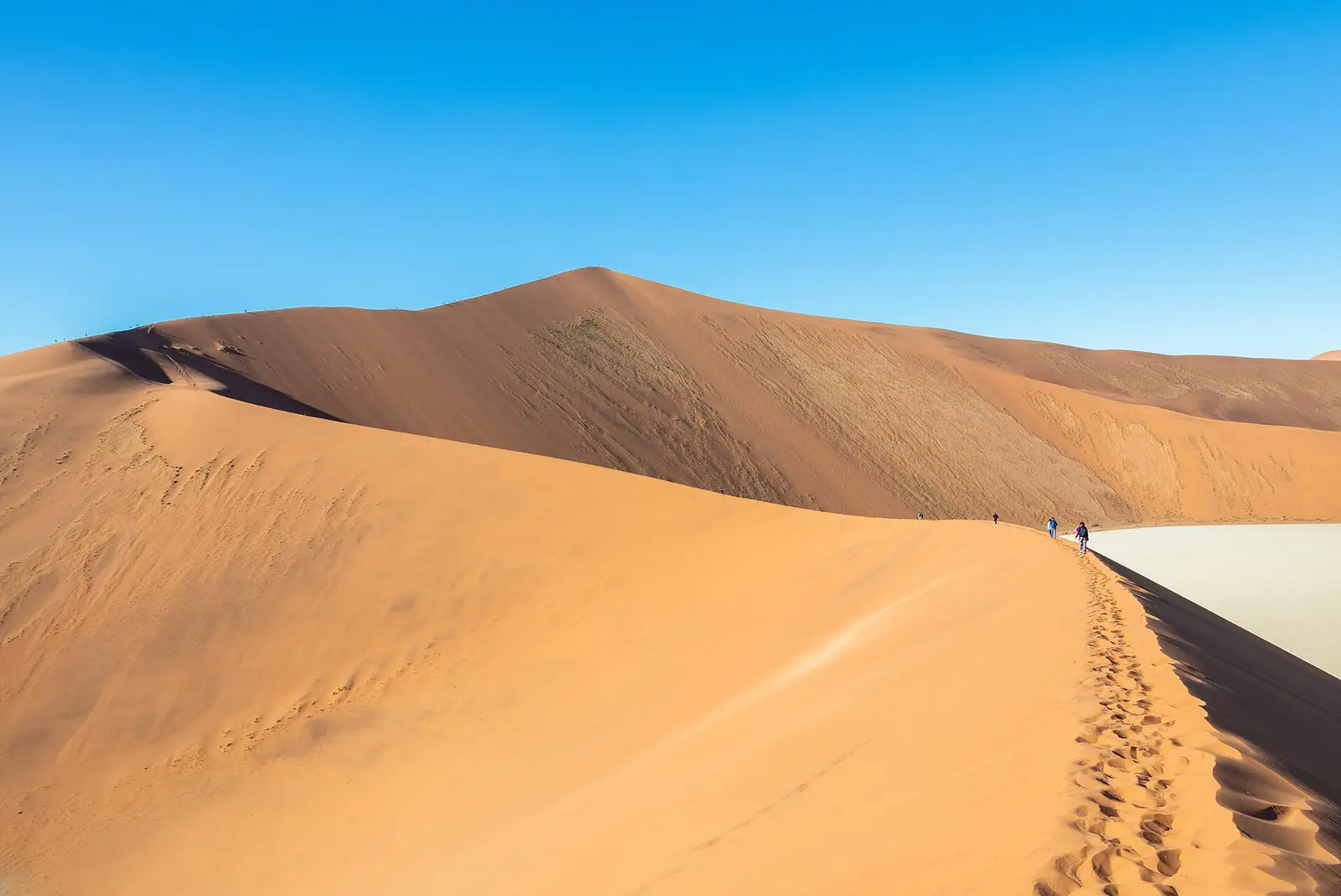
Swakopmund’s biggest draw is the dune belt just outside town. For sandboarding, quad biking and the Living Desert tour, bring:
- Old clothes you don’t mind filling with sand. It gets into every seam and pocket.
- Sunglasses (sports-style ones stay on best), and consider goggles if you wear contact lenses.
- A buff or scarf to cover your face from blowing sand.
- Sunscreen reapplied often; reflected light off the sand intensifies the sun.
- Water, even though tours usually provide some.
- A small bag for your phone and keys. Leave valuables at your accommodation if you can.
Most operators provide helmets, gloves and boards, and boots for stand-up sandboarding.
Gear for the sea#
For Walvis Bay boat trips, kayaking and Sandwich Harbour:
- A warm, windproof jacket. It’s always colder on the water.
- A cap with a strap or a beanie, depending on the season.
- Motion-sickness tablets if you’re prone to seasickness.
- Binoculars for seabirds, seals and whales.
- A dry bag if you’re kayaking.
Swimming in the Atlantic here is cold and often unsafe because of currents (see our safety guide), but pack swimwear for hotel pools or a quick paddle; our Swakopmund beaches guide points out the sheltered spots.
Packing for other popular activities#
- Skydiving and scenic flights: closed shoes that lace up firmly, comfortable trousers and a warm layer, as it is cold at altitude. Leave loose items such as hats and sunglasses on the ground unless your operator says otherwise. See our skydiving guide.
- Township tours: modest, comfortable clothes, small notes for buying crafts or a drink, and an open mind. Always ask before photographing people. Read our Mondesa township tour guide.
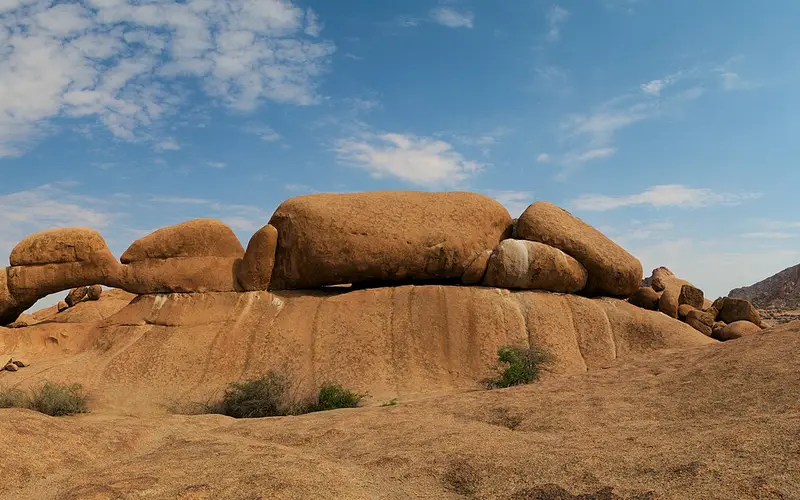
- Day trips to Spitzkoppe or the Moon Landscape: a sun hat, 2–3 litres of water per person, snacks, sturdy shoes for scrambling on granite, and a warm layer for the drive back. See our day trips guide.
- Cape Cross and the Skeleton Coast: a windproof jacket, a scarf you can pull over your nose (the seal colony smells strong), and binoculars.
- Nights out: a warm jacket for the walk or taxi back, and a small cross-body bag rather than a backpack.
Your carry-on and daypack#
Long-haul flights and long road days both make a well-packed daypack worth the effort:
- A warm layer, since planes and buses are often cold and you may arrive into a foggy coastal evening
- Passport, visa documents, insurance details and printed or offline booking confirmations (immigration can ask for your return ticket and first nights’ accommodation)
- Some cash in N$ or South African rand for the visa counter and a SIM card, in case your card is declined on arrival
- Phone, charger, power bank and plug adapter
- Medications for at least a couple of days, in case checked luggage is delayed
- Sunscreen, sunglasses and a refillable bottle for the first day
- A change of underwear and a T-shirt
Sun protection#
The sun is deceptively strong on the coast. Average UV levels are rated very high to extreme for much of the year, particularly from September to March, and sunburn through thin fog is common.
- SPF 50 broad-spectrum sunscreen (it’s sold locally but often more expensive)
- SPF lip balm
- UV-protective sunglasses
- A hat with a brim
- After-sun or aloe gel
Documents and money#
Documents#
- Passport valid for at least six months beyond your arrival date, with at least three blank pages (UK government advice).
- Visa, if required. Since 1 April 2025, many nationalities, including UK, US and most EU citizens, need a visa for Namibia. It is available on arrival or pre-approved online through the Ministry of Home Affairs portal, and costs N$1,600 for anyone over 11 (2026). Print your approval if you apply online. Our Namibia visa guide has the details.
- Travel insurance details that cover adventure activities such as sandboarding and quad biking, plus medical evacuation.
- Driving licence, plus an International Driving Permit if your licence isn’t in English or lacks a photo. See our car rental guide.
- Birth certificates for children travelling with parents: full (unabridged) certificates are required.
- Copies: photos of your passport, visa and insurance stored in the cloud, plus a paper copy kept separately.
Money#
- Cards: Visa and Mastercard are widely accepted in Swakopmund’s shops, restaurants and fuel stations. Bring two cards from different accounts.
- Cash: the Namibian dollar (N$) is pegged 1:1 to the South African rand, and rand notes are accepted everywhere in Namibia, so rand bought at home makes useful arrival cash. Note that Namibian dollars are not accepted in South Africa, so spend or exchange them before you leave. More in our Namibia currency and money guide.
- Small notes for tips, car guards, market stalls and small fuel stations.
- Use ATMs inside banks or shopping centres in daylight. More in Swakopmund travel essentials.
Electronics#
- Plug adapter: Namibia mainly uses Type M sockets (three large round pins, as in South Africa), with some smaller Type D, at 220–230V. Most “universal” world adapters do not include Type M, so buy a dedicated South African adapter before you go or at a Swakopmund supermarket. A slim, single adapter is better than a bulky multi-plug: campsite power boxes and sockets hidden behind hotel furniture leave little room. Many sockets have their own on/off switch, so check it before deciding the power is out.
- Power bank: for long tour days and road trips.
- Phone with offline maps: download maps of Namibia before you go; mobile signal disappears quickly once you leave the main roads.
- A local SIM or eSIM for cheap data. MTC is the main Namibian mobile network; bring your passport, as SIMs must be registered before they work.
- Camera, spare batteries and memory cards. Bring a lens cloth and blower for sand.
- Drones: flying a drone in Namibia requires a permit from the Namibia Civil Aviation Authority, and drones are not allowed in national parks without permission. Leave it at home unless you’ve arranged this in advance.
Health and toiletries#
- Personal medication in original packaging, with a copy of your prescription.
- A small first-aid kit: plasters, blister care, painkillers, antihistamines, rehydration sachets and anti-diarrhoea tablets.
- Moisturiser and lip balm: the desert air is dry even when it’s foggy.
- Hand sanitiser and tissues for road trips.
- Insect repellent is useful inland, but Swakopmund itself has few mosquitoes and no malaria. If you are heading to northern Namibia, ask a travel clinic about antimalarials, as the north has seen major outbreaks in 2025 and 2026.
- Yellow fever certificate only if you’re arriving from a country with yellow fever risk.
For backpackers and campers#
- A padlock for hostel lockers
- A quick-dry travel towel
- Earplugs and an eye mask for dorms
- A head torch for campsites and power cuts
- A reusable shopping bag, since you’ll pay for bags in supermarkets
- A warm sleeping bag if you’re camping anywhere in winter
Find the right bed with our Swakopmund hostels guide, and stretch your money with the budget travel guide.
What not to bring#
- Lots of formal clothes. Swakopmund is casual.
- Expensive jewellery and watches. They attract attention and aren’t needed.
- Only summer clothes. The most common packing mistake by far.
- A hairdryer. Most mid-range and better hotels provide one.
- Heavy books or guidebooks. Use an e-reader and offline maps.
- Camouflage clothing. It’s widely associated with the military in southern Africa, and best avoided.
Where to buy forgotten items#
Swakopmund is a well-supplied town. You’ll find large supermarkets for toiletries, snacks and basics; pharmacies for medicines and sunscreen; outdoor and camping shops for fleeces, head torches and gas canisters; and clothing stores for warm layers. Prices for imported goods such as camera gear and branded outdoor clothing are higher than in Europe or North America, so bring the important things with you.
Packing for a wider Namibia trip#
If Swakopmund is part of a road trip to Sossusvlei, Etosha or the Skeleton Coast, add:
- Light, breathable clothes for hot inland days
- A warm layer, beanie and gloves for desert nights, which can drop to around freezing in winter (our Namib Desert guide covers conditions in the dunes)
- Neutral-coloured clothing for game drives
- A cooler bag or box for road-trip food and drinks
- Extra water containers (at least 5 litres per person in the car)
Then plan your days with our Swakopmund itineraries.
Photo gallery
Frequently asked questions
What should I wear in Swakopmund?
Layers. Mornings and evenings are cool and often foggy, so bring a warm fleece or jacket and a windproof layer, with T-shirts and shorts for sunny afternoons. Dress is casual, even in restaurants.
Do I need warm clothes for Swakopmund in summer?
Yes. Even in December and January, nights are around 15–16°C and the sea breeze and fog make it feel colder. A fleece or light jacket is essential year-round.
What shoes should I bring for sandboarding?
Closed trainers or shoes you don't mind filling with sand. For stand-up sandboarding, operators usually provide boots, and for lie-down boarding most people go in socks or trainers. Sand gets very hot inland on sunny days.
What plug type is used in Namibia?
Namibia uses the large round-pin Type M plug (and sometimes the smaller Type D), the same as South Africa, on 220–230V. Many 'universal' travel adapters have no Type M option, so check yours or buy a South African adapter in a Swakopmund supermarket.
Do I need malaria tablets for Swakopmund?
Not for Swakopmund or the coast, which are malaria-free. Northern Namibia, especially the Kavango and Zambezi regions, has had severe malaria seasons in 2025 and 2026, so see a travel clinic about tablets if your trip goes north.
Can I buy anything I forget in Swakopmund?
Mostly, yes. The town has large supermarkets, pharmacies, outdoor and camping shops, and clothing stores, though specialist items like camera parts and some medications are easier to find in Windhoek.